Preset
Hi, Tudinh here.
Press the shutter on your phone and it takes a dozen frames, picks the sharpest, lifts the shadows and smooths the skin. You chose where to point it, and almost everything else was preset, a set of decisions, and the steps that carry them out, made in advance by someone else so that you would not have to.
It was not always like that, and until the 1880s a photographer had to take part in every step of making a picture. You coated your own plates, carried a tripod and developed the result yourself.
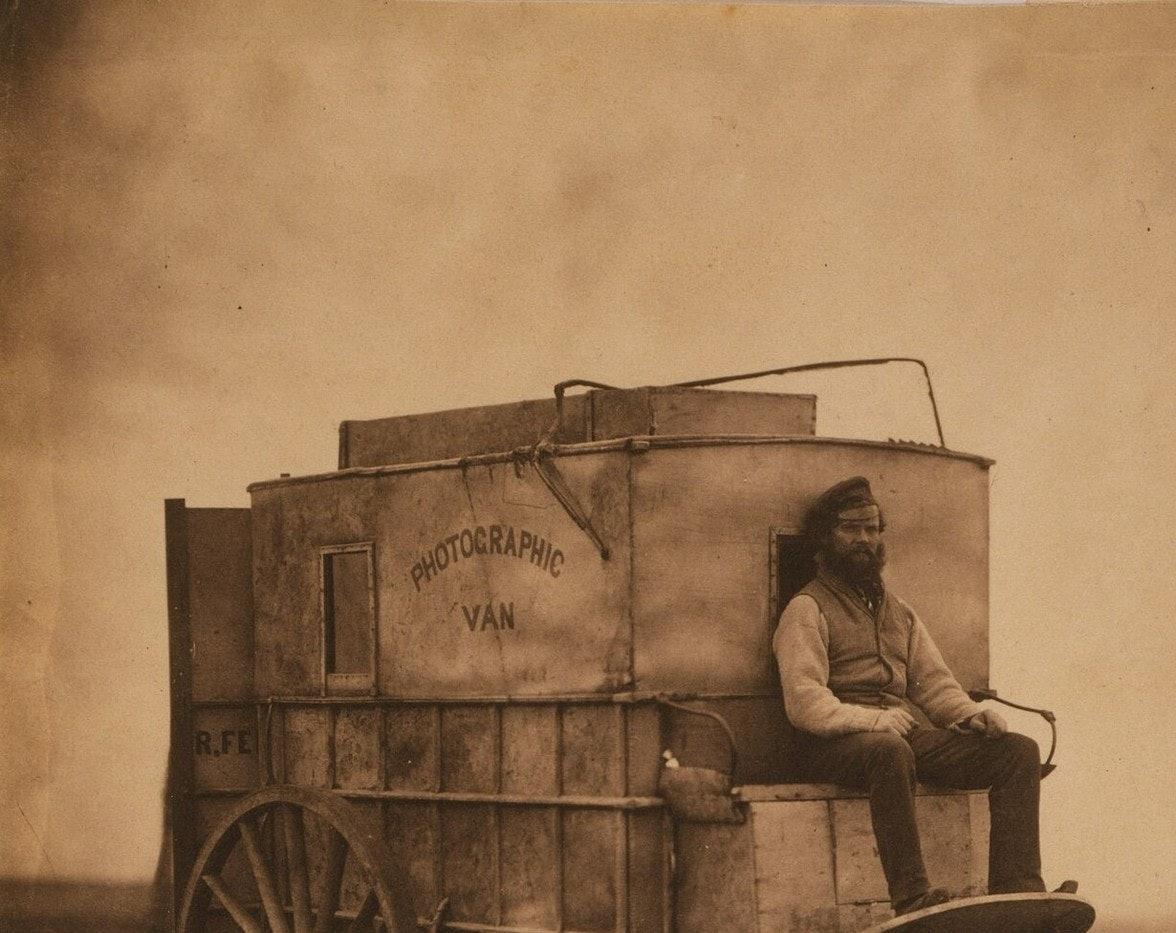
Roger Fenton’s darkroom on wheels, Crimea, 1855
In 1888 George Eastman changed that with the Kodak. It had one shutter speed, a fixed-focus lens and no viewfinder, just two lines pressed into the leather to aim by. When the roll was finished you posted the whole camera back to be developed. Eastman had made every decision and every step, and the person holding the camera had only to choose where to point it.
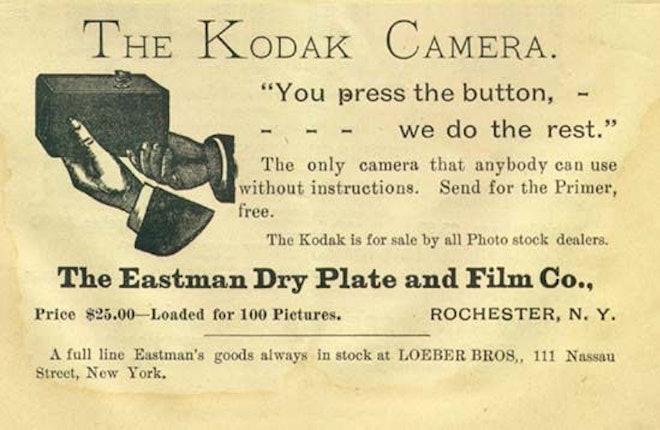
“You press the button, we do the rest.” Kodak, 1889
Being involved in every step was never what made a photograph good, and taking the choices away didn’t take the creativity with them. The Kodak snapshot was invented inside those limits, and people still point the phone somewhere new.
A fly anyone could point
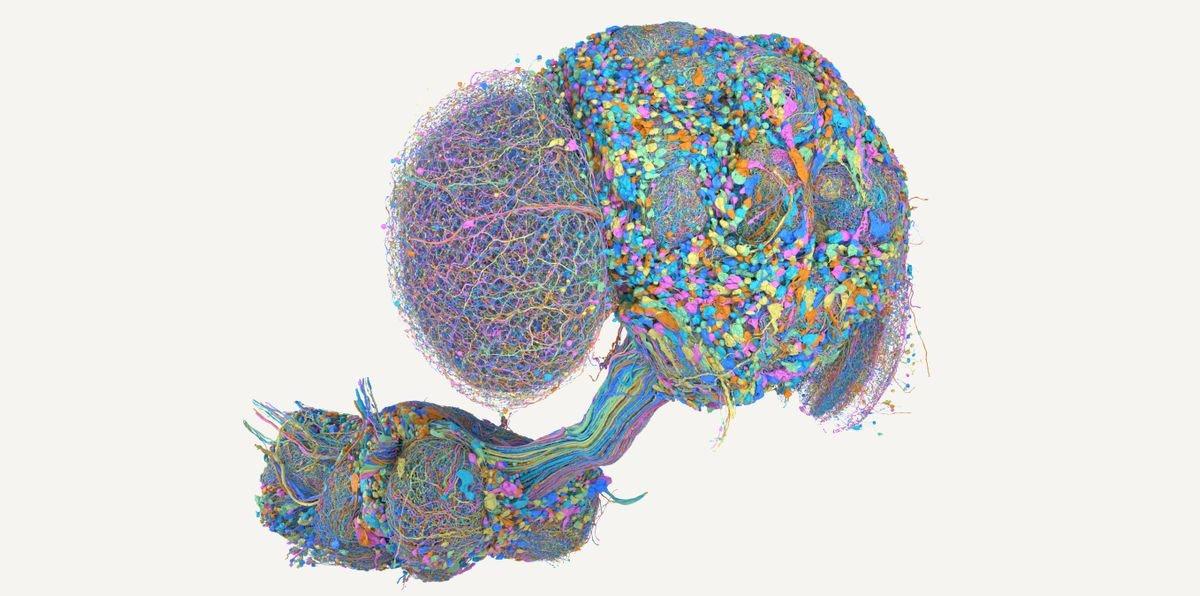
The whole map of a fly brain. Janelia FlyEM / HHMI and Google Research
Some of the best entertainment online this month came from a fruit fly. Janelia, the MRC Laboratory of Molecular Biology, the University of Cambridge and Google Research published the complete map of a fruit fly’s central nervous system, more than 166,000 neurons and the 125 million connections between them.
Within days people outside the labs had it playing Minecraft, parallel parking, trading bitcoin as “stonkfly” and, inevitably, playing Doom. The fly went everywhere because the map was complete, open and machine-readable, so anyone could wire it to anything, and people cannot resist playing with something like that. Far more research is published than anyone can read, and most of it never reaches anyone outside its own field. This paper did, because every one of those digital flies pointed a new audience at the science.
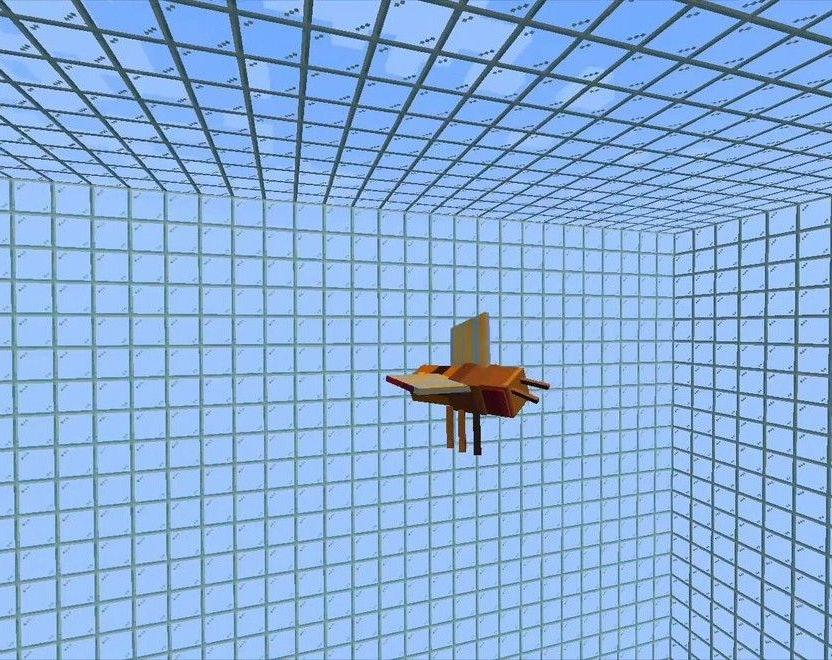
NeuroCraft Fly, the connectome in Minecraft, by Evan Sinclair Smith
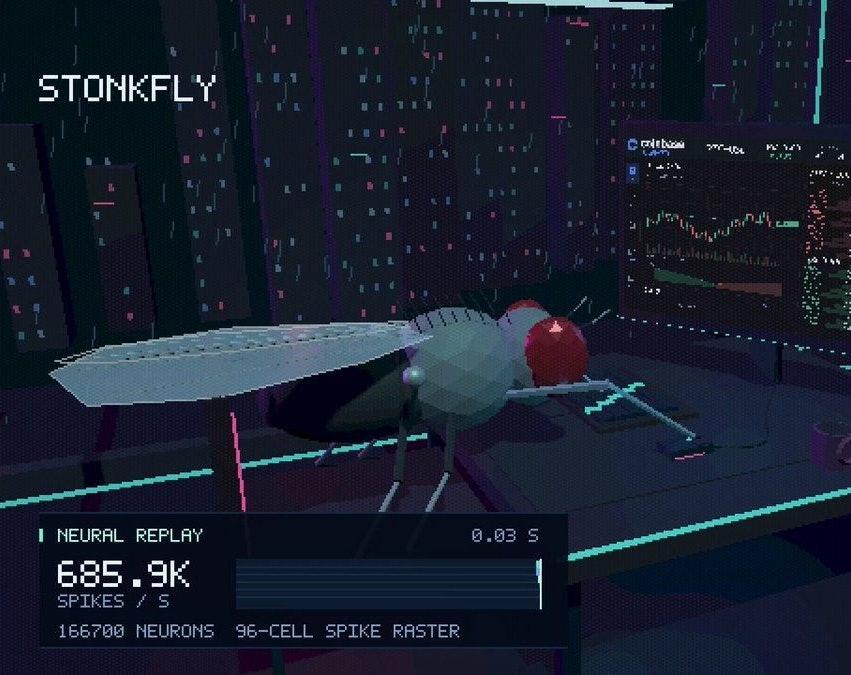
Stonkfly, trading bitcoin on Coinbase
A brand for machines and people
A brand is made of decisions taken in advance, so that the people using it do not have to take them again, and technology now applies them as often as people do, in places nobody planned.
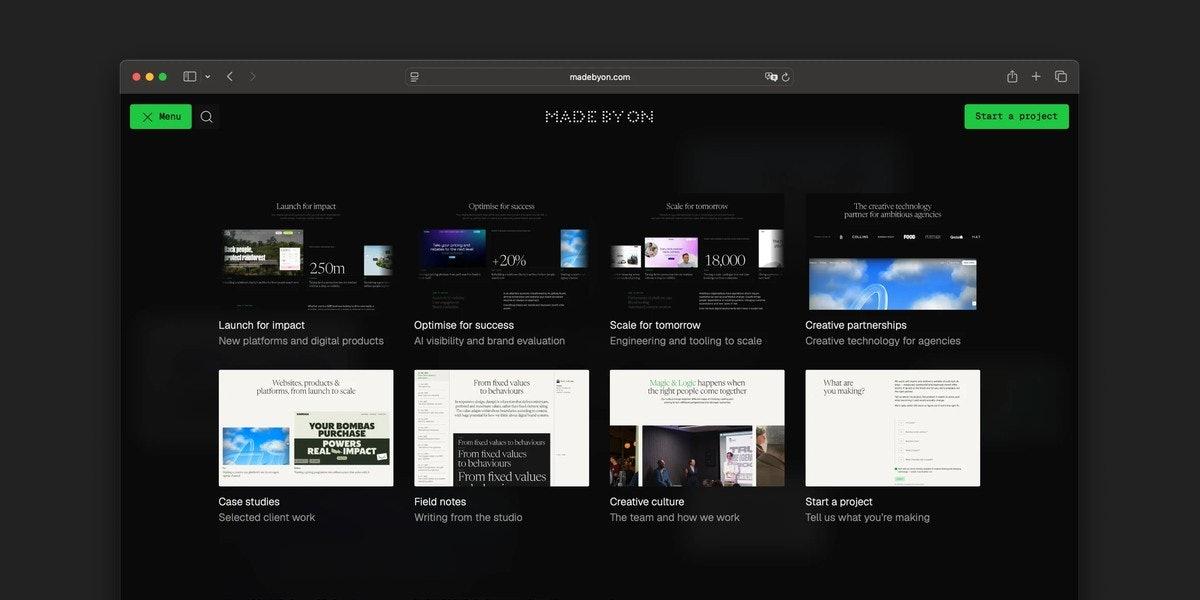
This month we launched the next evolution of our own brand. We had outgrown it, so we evolved it with the processes, workflows and systems from our work on AI Brand Engine. As part of that work the site was redesigned, our 54th weekly release in a row. We designed much of it in the browser rather than in Figma, to feel the experience as it was made, so the brand shaped the site and the site shaped the brand.
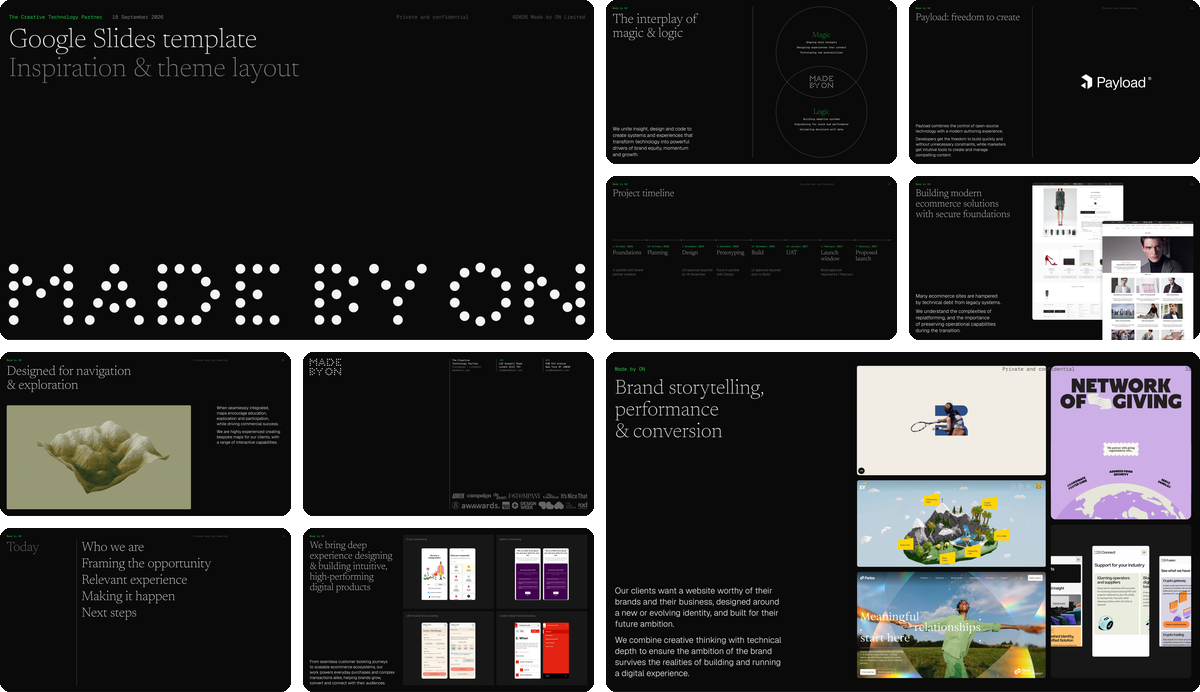
Brands live in slides, sheets and documents, and they now need to be made by machines and by people.
A deck often has to move from Google Slides to PowerPoint or Keynote, and after a dozen hands it comes back with the wrong type or an old logo. Ours lives in Google Slides as one machine-readable master that AI Brand Engine can check against the brand or convert into a Keynote, without anyone rebuilding it by hand.
From the team
How to work with a system, what to take from it, and what to keep.
- From fixed values to behaviours — a brand expressed through relationships survives change far better than one fixed in values. David Lowbridge, Director of Innovation & Systems
- Every year is a new brief — built to take a new identity every September and keep everything else moving. Jara Martinez, Developer
- The work between the work — convention, conviction, and the flexibility to know when neither applies. Kristina Radonjic, Client Services Lead
- The web is fun — two days at the first Three.js conference, staying close to the code and the craft. Mike Leonard, Creative Developer
When nothing is preset
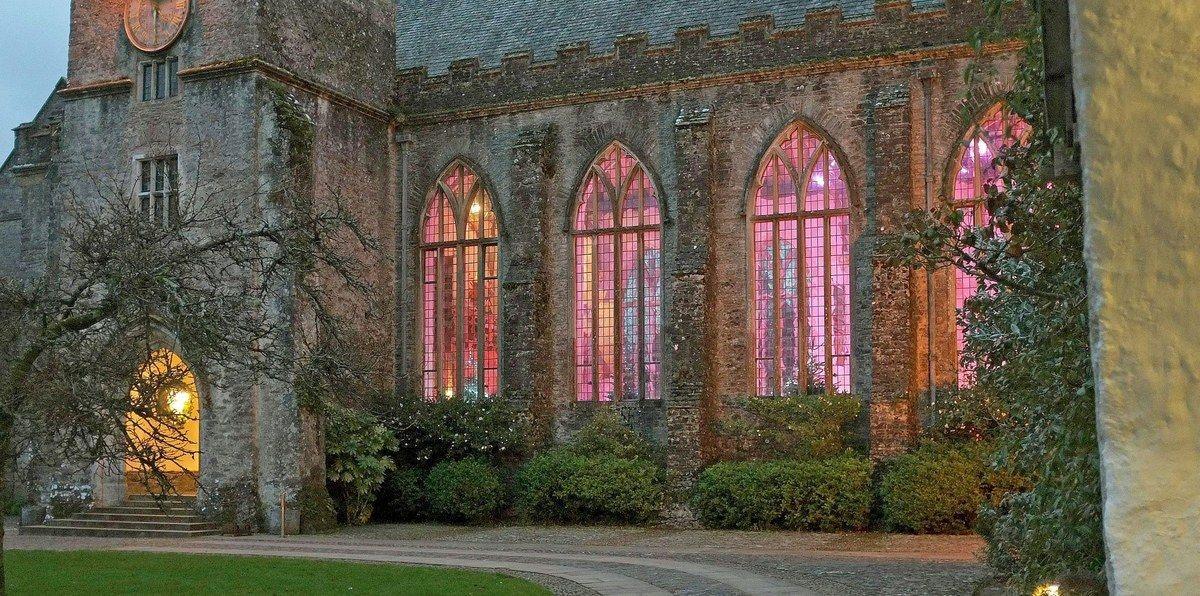
Dartington Hall at dusk. Photo: Derek Harper, CC BY-SA 2.0
The Royal Designers for Industry’s mission is to inspire new generations of thinkers to design a better world. This year the RDI is bringing forty designers, scientists and engineers, and a dozen wildcards, to Entangle at Dartington Hall in Devon, and I’m fortunate to have been invited to attend.
There is no agenda and no expected outcome. For three days nothing will have been decided for me, and I expect to come back thinking harder about everything we decide for other people.
Until next month,
Tudinh Duong
Founding Partner & CEO
Made by ON
Ps. The fly was not the only research having fun this month. The Ig Nobel Prizes, for work that makes people laugh and then think, were awarded in Zurich, and this year’s winners include a more precise definition of kissing, a splash-free urinal and a study of what makes a venomous snake bite, done by stepping on them forty thousand times.
Previous editions
- 21Drift
- 20Measure
- 19Hallmark
- 18Notes
- 17Change
- 16Temperature
- 15Rethinking video, prototyping faster, and encoding brand logic
- 14Transmission
- 13Closing the distance between strategy and execution
- 12Potential energy is the most undervalued asset in business
- 11Data as a creative material
- 10Progress isn’t always new
- 9A culture of continuous improvement
- 8When everyone is faster, how do you win?
- 7As answers accelerate, questions matter more
- 6The craft of technology: beyond frameworks
- 5Designing discovery in an age of information sameness
- 4From technology as commodity to technology as companion
- 3This Month at Made by ON
- 2The future is Creative Technology
- 1What we learned about growth from our partners
Readers
Read by leaders in brand, design and technology, from agency founders and global tech companies to voices across art and culture. From the replies:
There is an energy to them — gentle, considerate, deeply thoughtful — and they present a way of looking at the world that is both curious and inspiring.
I don’t take the time to read many newsletters, but I always enjoy yours. Very well written and thought provoking.
What a fantastic newsletter. A pleasure to read and so many useful lessons in there.
Your note really resonated with me as I try in my own area to still utilise human skill and experience to extract the most out of a project.
Always really, really enjoy your newsletters. Thoughtful and beautifully written.
Love your emails
Thanks for the brain food as ever :)
This might be my favorite newsletter yet!
Sign up
Enjoyed this? Get the next dispatch.
Subscribe