Drift
Hi, Tudinh here.
In 1912 Alfred Wegener told a room of geologists that the continents move. He was right. The one thing he couldn’t explain was how, and it took half a century of sonar and magnetometers, instruments that read the magnetism in rock, to prove it.

Wegener at his desk in the winter quarters, northeast Greenland
He called it die Verschiebung der Kontinente, the displacement of the continents. The English edition of 1924 renamed it continental drift, and drift stuck. Satellites measure the drift now, at roughly the speed a fingernail grows, and given enough time that produces an Atlantic Ocean.
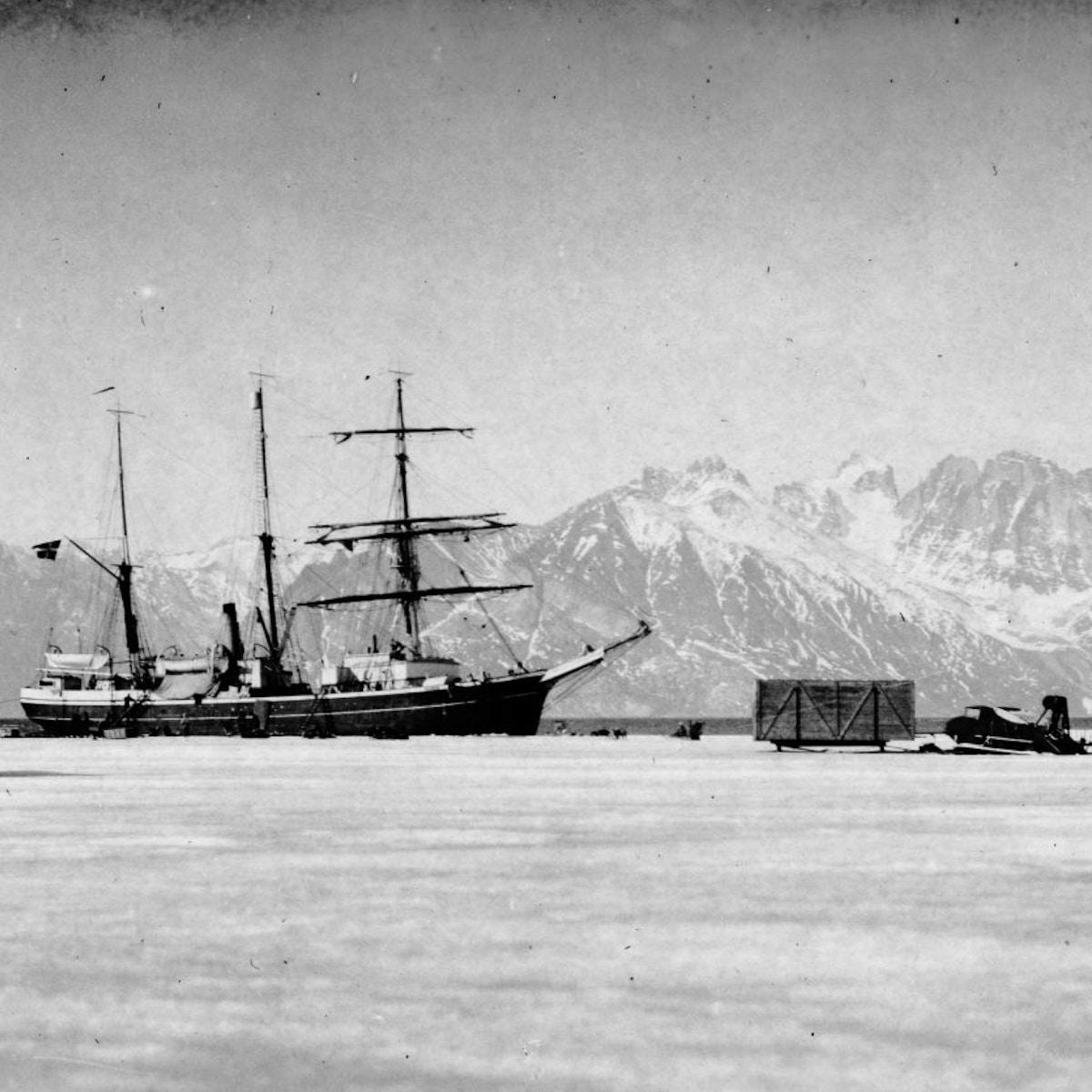
The year he told the room, he went back to the ice
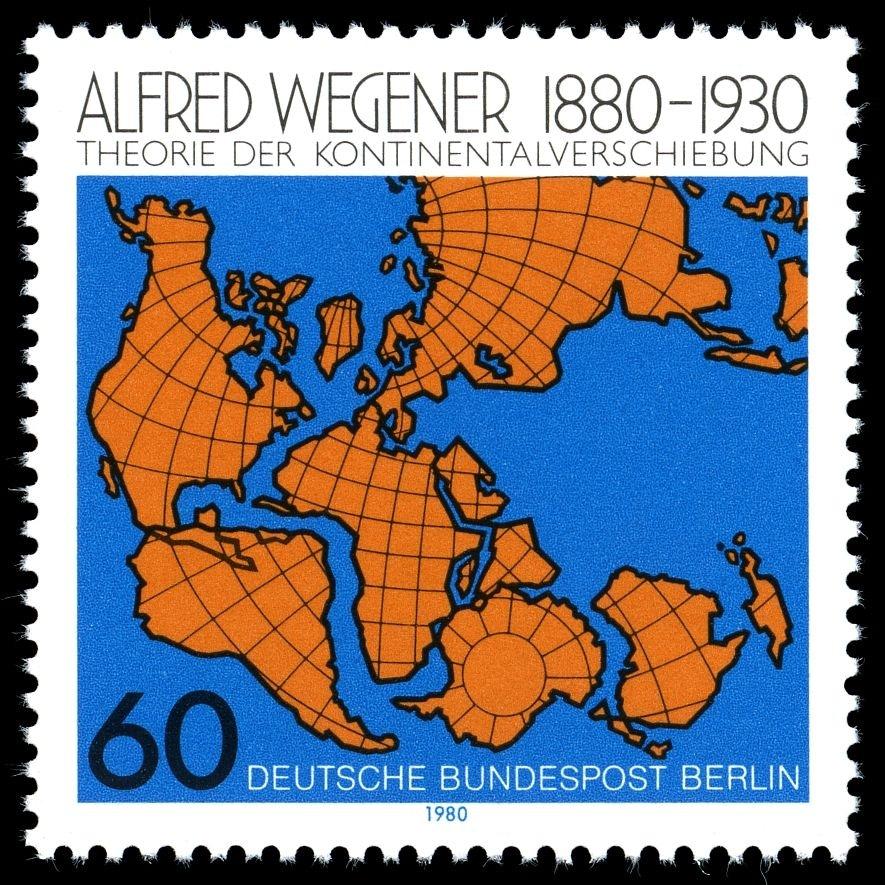
Proved at last, and small enough to cross the ocean it explains
Ordinary life works the same way. Nobody remembers deciding to stop carrying cash, or the last time a 56k modem tied up the phone line. No decision, just a long run of it being easier, until the old way had gone, displaced by the new.
AI is moving in-house, from data centre to studio
Nothing about AI has been slow, and for most businesses the last few years have been a sprint. Now the models are leaving the cloud for local hardware. This month Perplexity and Nvidia released Portable Computer, an AI agent that runs entirely on your own machine.
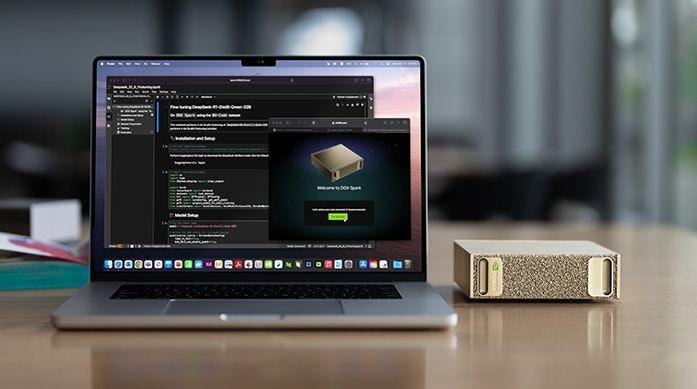
Nvidia’s DGX Spark, the desk-sized machine Perplexity’s Portable Computer runs on
More teams want their work to stay in-house, and until recently the models were too big to run there. The community is shrinking them to fit, and the best of them are open at the same time, free for anyone to download and run. That matters most for material you would rather not send to the cloud. For a marketing or editorial team that means interviews, subtitles and asset tags stay in the building.
Last week AT&T said open models handle 40% of its employee AI queries, and it wants that at 60–70%. The routing runs request by request through LiteLLM, an open-source switchboard a team can run itself. Coding and some advanced tasks cost 56% less, and quality dropped just 2%.
The way this is going, most teams will never need to build any of that. Adobe and Figma will look the same, but behind the menus the default cloud model gives way to a small local one, fine-tuned to the studio. It takes single steps, such as crops and sizes, translations, or artboards checked against the system. There is no meter on a local model, so the checks run on everything, not samples, and unreleased work never leaves the studio.
You only learn where it goes by making it
Field notes are observations from the week’s work. Four this month, on startups, buying, the stack and the studio.
- Startups are prototypes — treat the whole venture as a test, not just the product. David Lowbridge, Director of Innovation & Systems
- Security deep dive — procurement reads your security pages before anyone picks up the phone. Barry Cumberlidge, Chief Client Officer
- Choosing the right tech stack — convention for most of it, conviction for the rest. Guang Wu, Chief Digital Officer
- Shapeshifting the Future — a week in the studio changes the shape of what feels possible. Tara Heal, People & Operations Lead
Recess Capital: levelling the playing field
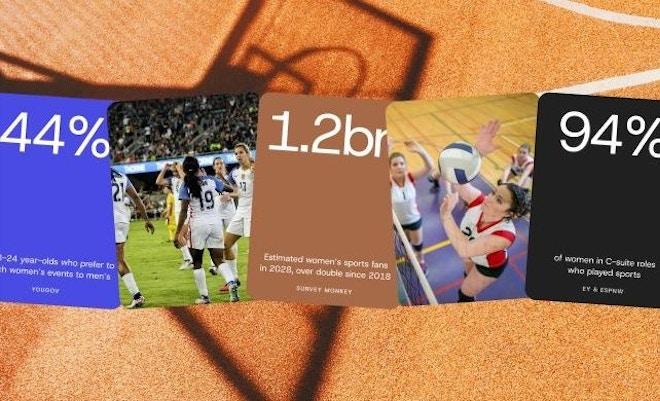
Women’s sport fills arenas and breaks television records, and the backing has not caught up. Closing that gap is what Recess Capital is for. Malala Yousafzai and Asser Malik co-founded it to back teams, leagues and the businesses around them. We made the site that puts the case and the work in one place, so anyone can see what they back and why.
Bombas: giving, live and searchable
For thirteen years Bombas has donated an item to someone experiencing homelessness for every item it sells, through more than 4,000 giving partners. The BeeBetter Hub is the public record of that giving, and we rebuilt it with them from the foundations. Behind the 200 million items are the partners doing the work, and anyone can find them by cause and place.
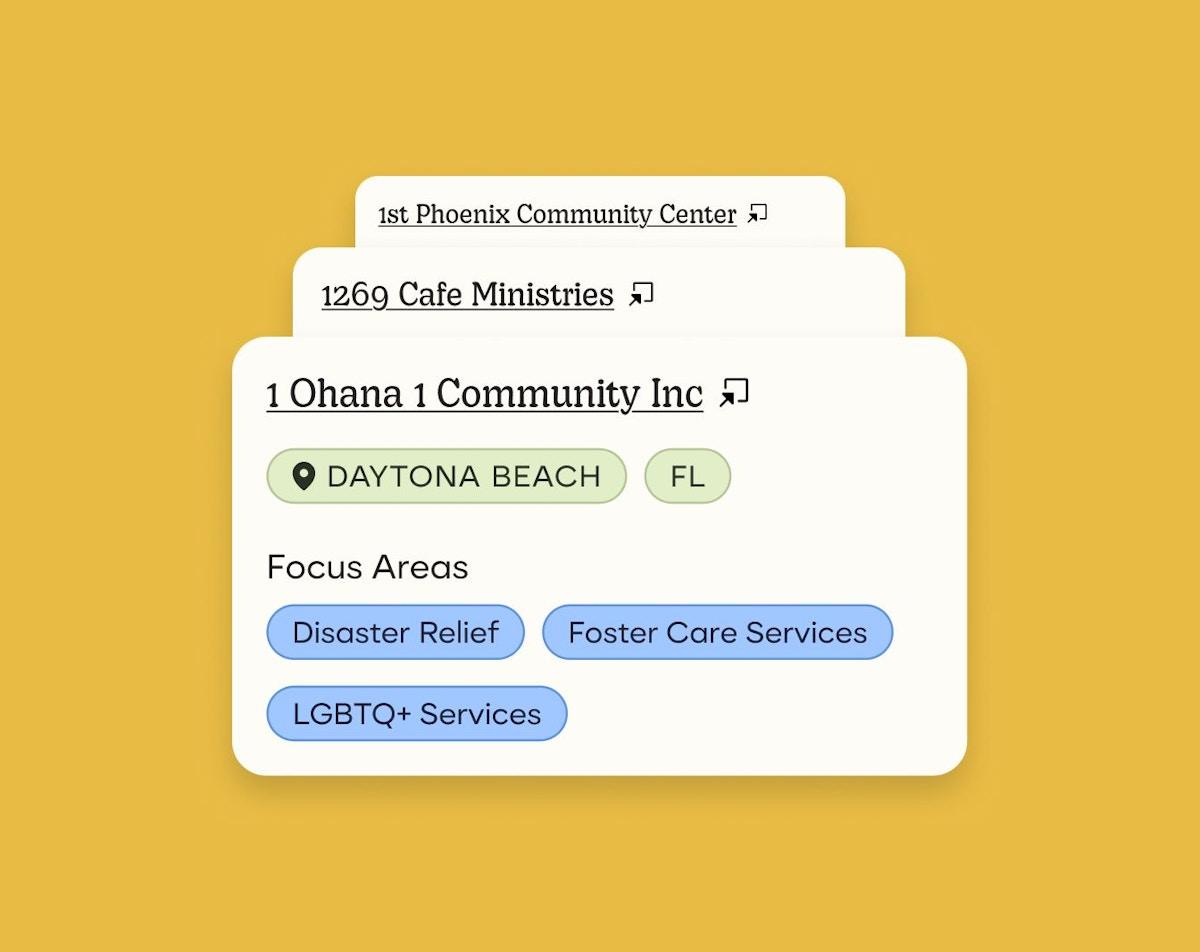
Find a partner by what it does and where
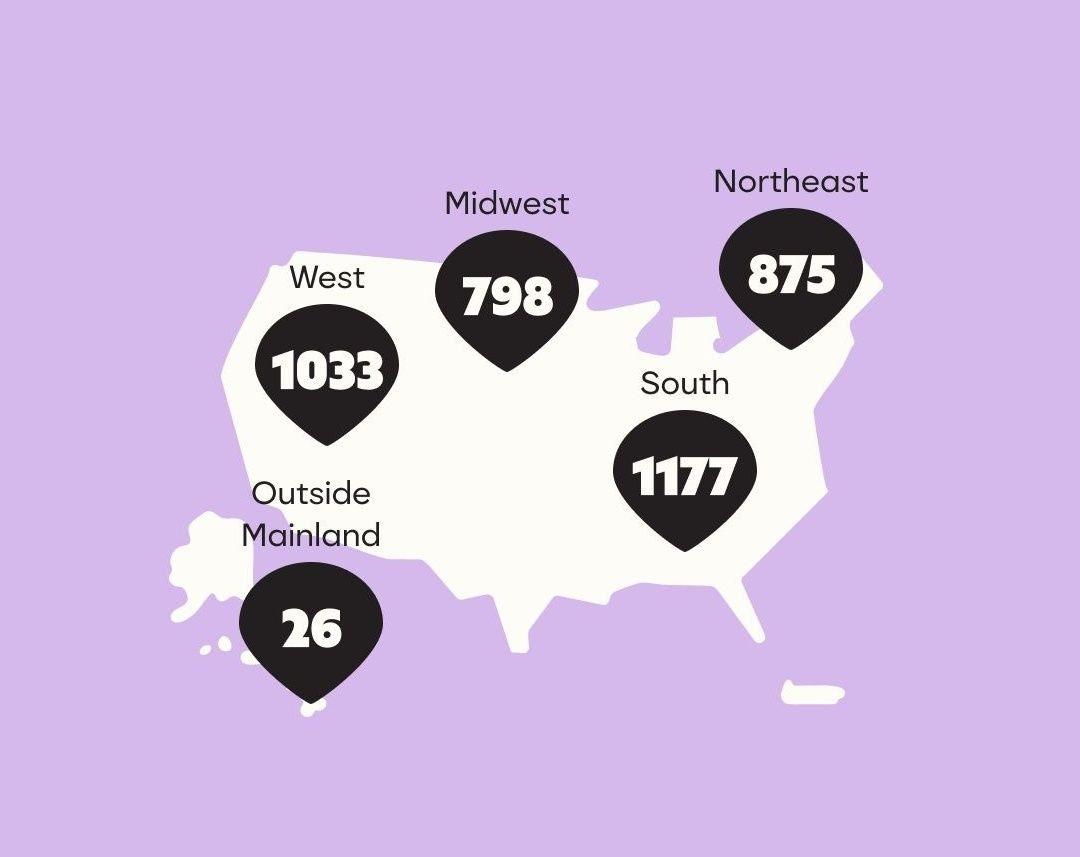
Or start with a region and follow the giving
London Design Festival: our sixth festival together
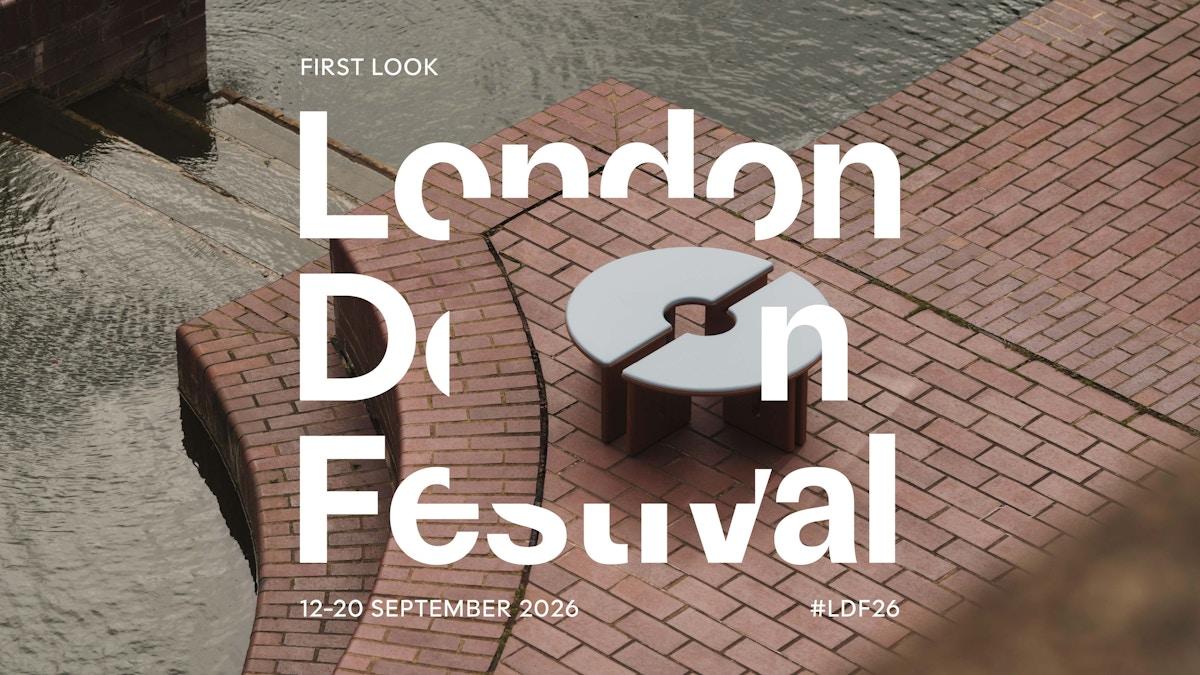
LDF26 runs 12–20 September, its 24th year, in showrooms, museums and the street across eleven design districts.
We created the digital platform in 2021 and have extended it every festival since. The site carries the nine days as they happen, new events and stories with them. Every year the whole thing arrives in a new identity. A visitor turns it into an afternoon they can walk. Being part of it keeps us in the room with the people making the work, and that is where you hear what comes next.
Drift always sounds slower than it is. Nothing gets anywhere in one move, and the things that end up somewhere new were moving long before anyone noticed.
Until next month,
Tudinh Duong
Founding Partner & CEO
Made by ON
Ps. The Atlantic widens by about two and a half centimetres a year, and we know it to the millimetre. The transatlantic cables I wrote about in January carry a reply in under a tenth of a second, and the milliseconds keep coming off.
Previous editions
- 20Measure
- 19Hallmark
- 18Notes
- 17Change
- 16Temperature
- 15Rethinking video, prototyping faster, and encoding brand logic
- 14Transmission
- 13Closing the distance between strategy and execution
- 12Potential energy is the most undervalued asset in business
- 11Data as a creative material
- 10Progress isn’t always new
- 9A culture of continuous improvement
- 8When everyone is faster, how do you win?
- 7As answers accelerate, questions matter more
- 6The craft of technology: beyond frameworks
- 5Designing discovery in an age of information sameness
- 4From technology as commodity to technology as companion
- 3This Month at Made by ON
- 2The future is Creative Technology
- 1What we learned about growth from our partners
Readers
Read by leaders in brand, design and technology, from agency founders and global tech companies to voices across art and culture. From the replies:
There is an energy to them — gentle, considerate, deeply thoughtful — and they present a way of looking at the world that is both curious and inspiring.
I don’t take the time to read many newsletters, but I always enjoy yours. Very well written and thought provoking.
What a fantastic newsletter. A pleasure to read and so many useful lessons in there.
Your note really resonated with me as I try in my own area to still utilise human skill and experience to extract the most out of a project.
Always really, really enjoy your newsletters. Thoughtful and beautifully written.
Love your emails
Thanks for the brain food as ever :)
This might be my favorite newsletter yet!
Sign up
Enjoyed this? Get the next dispatch.
Subscribe